
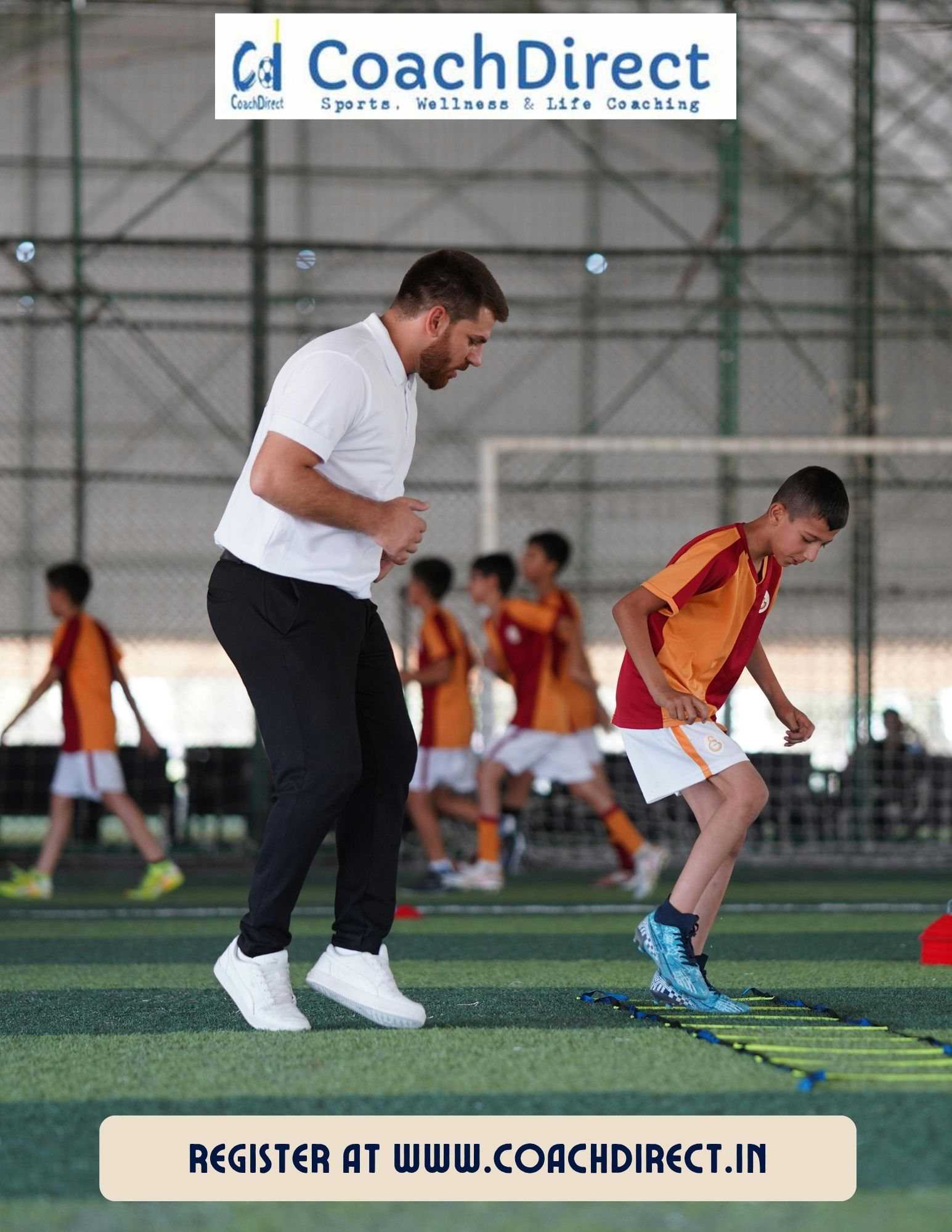
When coaching children in sports or physical education, one of the most common questions parents and schools ask is: “Is my child improving?” Progress is not just about winning matches or scoring more points. It is about developing fitness, learning new skills, building confidence, and enjoying the sport.
To understand this properly, coaches need a simple and structured way to measure improvement. This is where fitness assessments and skill assessments play a very important role. When done regularly and correctly, they help track each student’s journey and ensure that every child is moving in the right direction.
Importance of Fitness Assessment for PE and Skill Assessment for Sports
Fitness assessment in Physical Education (PE) focuses on overall physical development, while skill assessment focuses on how well a student performs in a specific sport.
Without assessments, it becomes difficult to measure progress. A student may attend classes regularly, but without proper tracking, it is hard to know if they are actually improving.
With regular assessments:
-
Coaches can understand each student’s current level
-
Weak areas can be identified and improved
-
Training sessions can be adjusted based on individual needs
-
Students feel motivated when they see their progress
-
Parents get clear updates about their child’s development
Assessments also bring structure to coaching. Instead of random sessions, training becomes goal-oriented and focused.
Criteria Based on Age Group or Skill Level
It is important to remember that not all students should be assessed in the same way. A younger child who is just starting out cannot be compared with an older or more experienced student.
Assessment criteria should always be based on:
-
Age group – Younger children are still developing physically and mentally
-
Skill level – Beginners, intermediate, and advanced students have different abilities
For younger children, the focus should be on basic movement, coordination, and enjoyment. For older students, assessments can include performance, technique, and game understanding.
Using the right criteria ensures that students are evaluated fairly and are not put under unnecessary pressure.
Fitness Assessment Criteria for School Students
Children attending primary school are in an important stage of development. At this age, the focus should be on building a strong foundation rather than pushing for high performance.
Here are the key areas to assess:
1. Endurance
Endurance is the ability to stay active for a longer time without getting tired.
Simple activities like running for a set time, shuttle runs, or continuous play can help measure endurance. The idea is to see if the child can stay active comfortably.
2. Strength
Strength at this age is about body control rather than lifting heavy weights.
Basic exercises like holding a plank, doing a few push-ups, or simple jumping activities can be used to assess strength.
3. Flexibility
Flexibility helps in better movement and reduces the risk of injuries.
Simple tests like touching toes, stretching arms, or basic yoga poses can give a good idea of flexibility levels.
4. Agility
Agility is the ability to move quickly and change direction easily.
Cone drills, zig-zag runs, or short sprints with direction changes can be used to measure agility.
5. Balance
Balance is important for stability and control in almost every sport.
Activities like standing on one leg, walking on a straight line, or holding a position can help assess balance.
6. Hand-Eye Coordination
This is the ability to coordinate vision with hand movements.
Catching and throwing a ball, hitting a target, or simple reaction drills can be used to measure this skill.
At this age, it is important to keep assessments fun and simple. The goal is not to judge but to encourage improvement.
Skill Assessment Criteria as per Individual Sport
Along with fitness, each sport requires specific skills. Assessing these skills helps coaches understand how well a student is learning the sport.
Let’s take football for beginners as an example:
1. Carrying the Ball with Either Leg
Students should learn to move with the ball using both feet. This builds confidence and control.
2. Receiving the Ball with Either Leg
A beginner should be able to control the ball when it is passed to them. This shows basic understanding of the game.
3. Dribbling and Ball Control
This is one of the most important skills in football. It shows how well a student can move with the ball while keeping it close and under control.
4. Shooting Skills
Basic shooting technique is important. Students should learn how to strike the ball properly and aim towards a target.
Similar skill-based criteria can be created for other sports like basketball, badminton, or tennis. The key is to focus on basic skills first and then gradually move to advanced techniques.
How to Track Progress Effectively
Assessment is only useful when it is done regularly and properly recorded. Here are some simple ways to track progress:
-
Conduct assessments every 8 to 10 weeks
-
Use the same activities each time to compare results
-
Maintain a record or report for each student
-
Share progress updates with parents
-
Give feedback in simple and positive language
It is also important to look beyond numbers. Progress can also be seen in:
-
Better confidence
-
Improved participation
-
Willingness to try new skills
-
Better teamwork and discipline
When students feel supported and see their own improvement, they become more motivated and engaged.
Common Mistakes to Avoid
While assessing students, there are a few common mistakes that should be avoided:
-
Comparing students with each other instead of tracking individual progress
-
Focusing only on performance and ignoring effort
-
Using complicated tests that are hard to understand
-
Not giving proper feedback after assessment
-
Conducting assessments too frequently or not at all
Keeping assessments simple, consistent, and encouraging is the best approach.
Conclusion
Checking whether students are making progress is a key part of effective coaching. It helps ensure that every child is learning, improving, and enjoying the sport.
By combining fitness assessments and sport-specific skill evaluations, coaches can create a clear picture of each student’s development. The focus should always be on gradual improvement, building confidence, and making the learning process enjoyable.
When done correctly, assessments do not feel like tests—they become a tool for growth and motivation.
At CoachDirect, structured coaching programs include regular assessments and progress tracking to ensure every student develops in the right way.
Visit www.coachdirect.in to learn more about professional coaching and student development programs.
Recent Comments